Top 10 Weight Loss Foods That Actually Work, According to Nutritionists
Weight loss is a topic surrounded by more myths than almost any other area of health. Miracle diets, trendy supplements, and conflicting advice make it difficult to know what truly works. The good news? Nutrition science is quite clear on one point: the foods you eat have a profound impact on your body composition, metabolism, and hunger levels. Rather than following a restrictive fad diet, adding more of these scientifically supported weight loss foods to your plate is a far more sustainable and enjoyable approach.
Why Certain Foods Support Weight Loss Better Than Others
Not all calories are created equal. Foods that are high in protein and fiber, for example, increase satiety hormones and reduce ghrelin (the hunger hormone), causing you to feel fuller for longer on fewer calories. Other foods boost metabolic rate or stabilize blood sugar, reducing the cravings and energy crashes that lead to overeating. Understanding these mechanisms helps you make smarter food choices naturally.
The Top 10 Weight Loss Foods
1. Eggs
Eggs are one of the most nutrient-dense foods on the planet. High in protein and healthy fats, a breakfast of two eggs keeps you feeling satisfied for hours compared to a carbohydrate-heavy breakfast. Research consistently shows that people who eat eggs for breakfast consume fewer calories throughout the rest of the day.
2. Leafy Greens (Spinach, Kale, Swiss Chard)
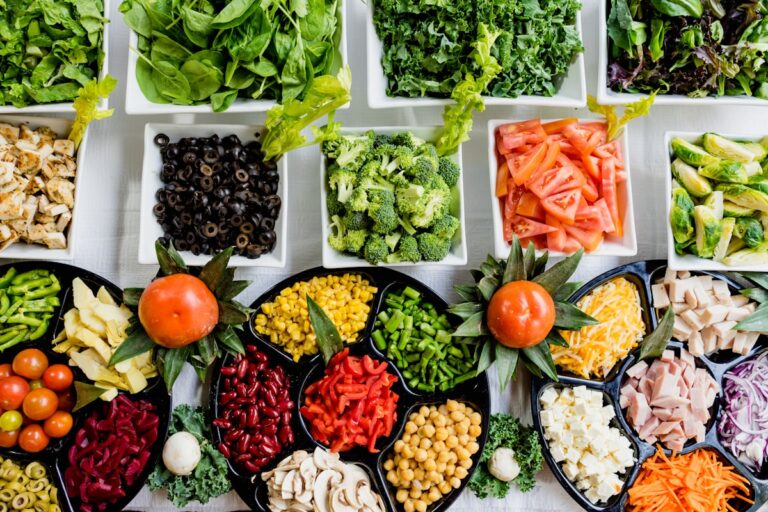
Leafy greens are extremely low in calories but high in fiber, vitamins, and minerals. Adding spinach or kale to your meals increases volume without meaningfully increasing calorie count. They also contain thylakoids, plant compounds that have been shown to reduce cravings.
3. Salmon and Fatty Fish
Fatty fish like salmon, mackerel, and sardines are loaded with high-quality protein and omega-3 fatty acids. Omega-3s help reduce inflammation, which is directly linked to obesity and metabolic disease. A single serving of salmon provides around 35 grams of protein with roughly 350 calories.
4. Legumes (Lentils, Black Beans, Chickpeas)
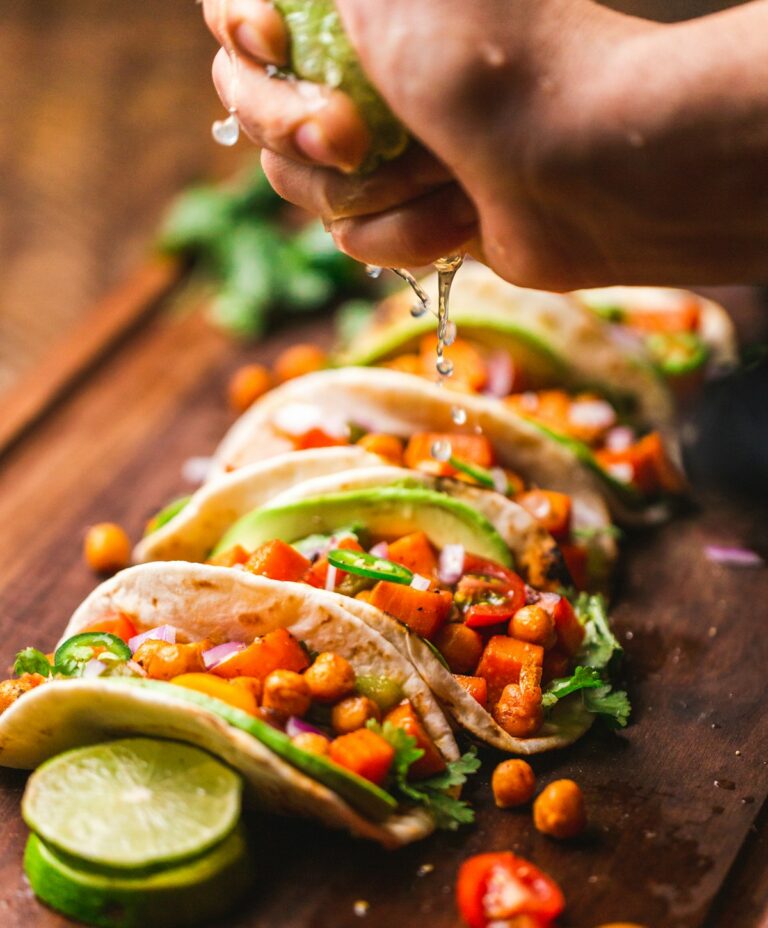
Legumes are rich in both protein and soluble fiber, a combination that powerfully suppresses appetite. They also have a very low glycemic index, meaning they cause a slow, steady rise in blood sugar rather than a spike that leads to subsequent cravings. Including legumes in at least three meals per week has been associated with significantly reduced body weight.
5. Avocados
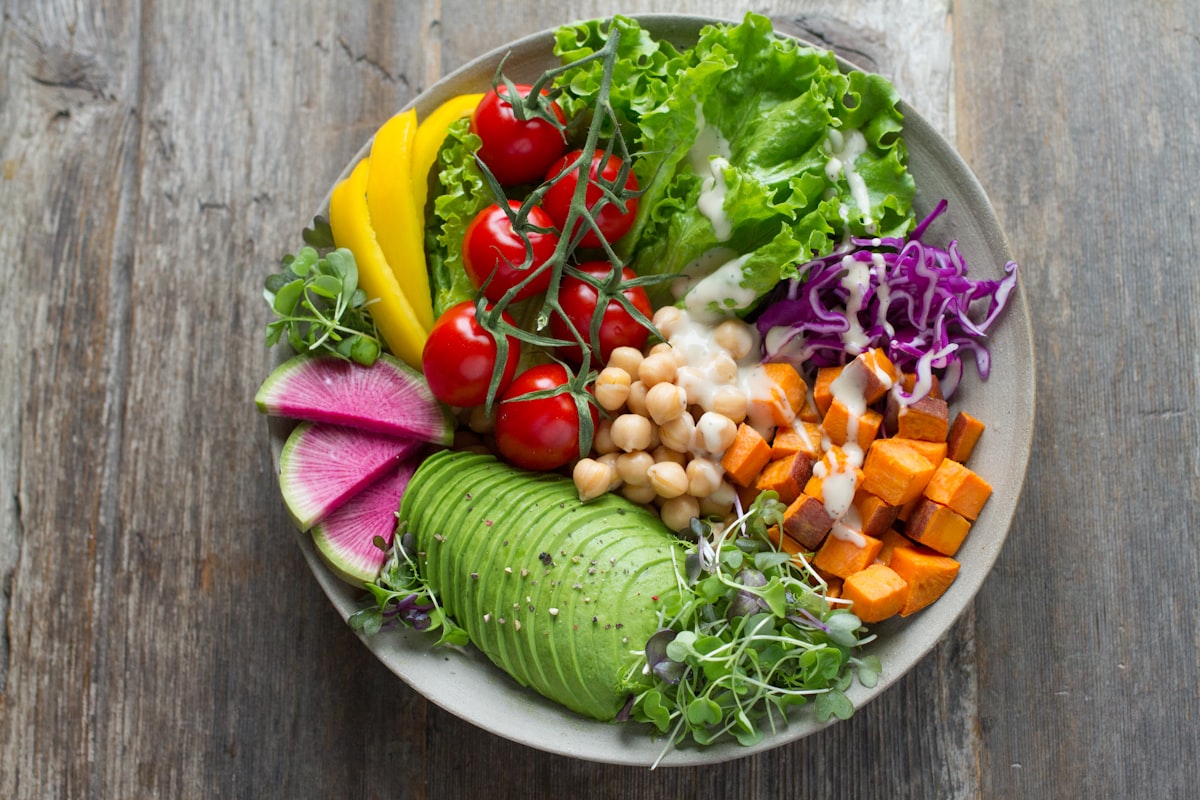
Despite being calorie-dense, avocados are one of the best weight loss foods available. The oleic acid in avocados triggers satiety signals in the brain, and the high fiber content feeds beneficial gut bacteria. Studies show avocado eaters tend to have lower BMIs and smaller waist circumferences than non-consumers.
6. Greek Yogurt
Full-fat Greek yogurt is a protein powerhouse — a single cup can contain 20 to 25 grams of protein. It also contains probiotics that support gut health, which emerging research links to improved weight management and reduced belly fat.
7. Nuts and Seeds
Although calorie-dense, nuts like almonds, walnuts, and pistachios are deeply satisfying snacks that reduce overall calorie intake when consumed mindfully. They are rich in healthy fats, magnesium, and fiber. A small handful (about 1 ounce) makes an ideal mid-morning or afternoon snack.
8. Cruciferous Vegetables (Broccoli, Cauliflower, Cabbage)
Cruciferous vegetables are high in fiber and have a surprisingly filling quality relative to their calorie count. Broccoli and cauliflower in particular are also excellent sources of cancer-fighting compounds like sulforaphane, making them a nutritional win on multiple fronts.
9. Whole Grains (Oats, Brown Rice, Quinoa)
Unlike refined grains, whole grains retain their fiber-rich bran and germ. Oatmeal for breakfast is particularly well-studied for its ability to reduce appetite and calorie intake for hours. Beta-glucan, the soluble fiber in oats, is especially effective at increasing feelings of fullness.
10. Apple Cider Vinegar
While not a magic bullet, apple cider vinegar consumed before meals has been shown in several small studies to reduce calorie intake and improve insulin sensitivity. Taking 1 to 2 tablespoons diluted in water before a meal may help reduce post-meal blood sugar spikes.
Weight Loss Foods Comparison Chart
| Food | Calories (per 100g) | Protein | Fiber | Key Benefit |
|---|---|---|---|---|
| Eggs | 155 | 13g | 0g | Satiety hormone boost |
| Spinach | 23 | 2.9g | 2.2g | High volume, low calorie |
| Salmon | 208 | 20g | 0g | Omega-3 + protein |
| Lentils | 116 | 9g | 8g | Hunger suppression |
| Greek Yogurt | 97 | 10g | 0g | Gut health + protein |
| Oats | 389 | 17g | 10g | Beta-glucan for fullness |
Practical Tips for Incorporating These Foods Daily
- Swap white rice for cauliflower rice or quinoa at dinner
- Add a handful of spinach to your morning smoothie — you will not taste it
- Replace chips and crackers with a small portion of mixed nuts
- Start lunch with a green salad before your main course to reduce overall intake
- Use Greek yogurt instead of sour cream in dips, sauces, and dressings
Conclusion
There are no magic shortcuts to sustainable weight loss, but there are genuinely powerful foods that make the journey easier, more satisfying, and more nutritionally complete. By consistently choosing foods high in protein and fiber — like eggs, legumes, fatty fish, and leafy greens — you naturally reduce your calorie intake without ever feeling deprived. Start adding two or three of these foods to your daily meals this week and track how your hunger and energy levels respond.
For more guidance, read our 7-day healthy meal prep guide and explore our recommendations for the best nutrition tracking apps available in 2026.
Frequently Asked Questions
Which food is the most effective for weight loss?
There is no single “best” food, but protein-rich foods like eggs, chicken breast, and Greek yogurt consistently rank highest for their ability to increase satiety and preserve lean muscle mass during weight loss.
Are all fats bad for weight loss?
No. Healthy unsaturated fats found in avocados, nuts, and fatty fish actually support weight loss by reducing inflammation and improving hormone function. It is trans fats and excessive saturated fats that are problematic.
How much protein should I eat per day for weight loss?
Most research suggests that consuming 0.7 to 1 gram of protein per pound of body weight per day is optimal for weight loss while preserving muscle mass. This equates to roughly 120 to 160 grams of protein per day for a 160-pound person.
Can I eat carbohydrates and still lose weight?
Absolutely. The key is choosing complex carbohydrates from whole grains, legumes, and vegetables rather than refined carbohydrates from white bread, sugary snacks, and processed foods.
About the Author