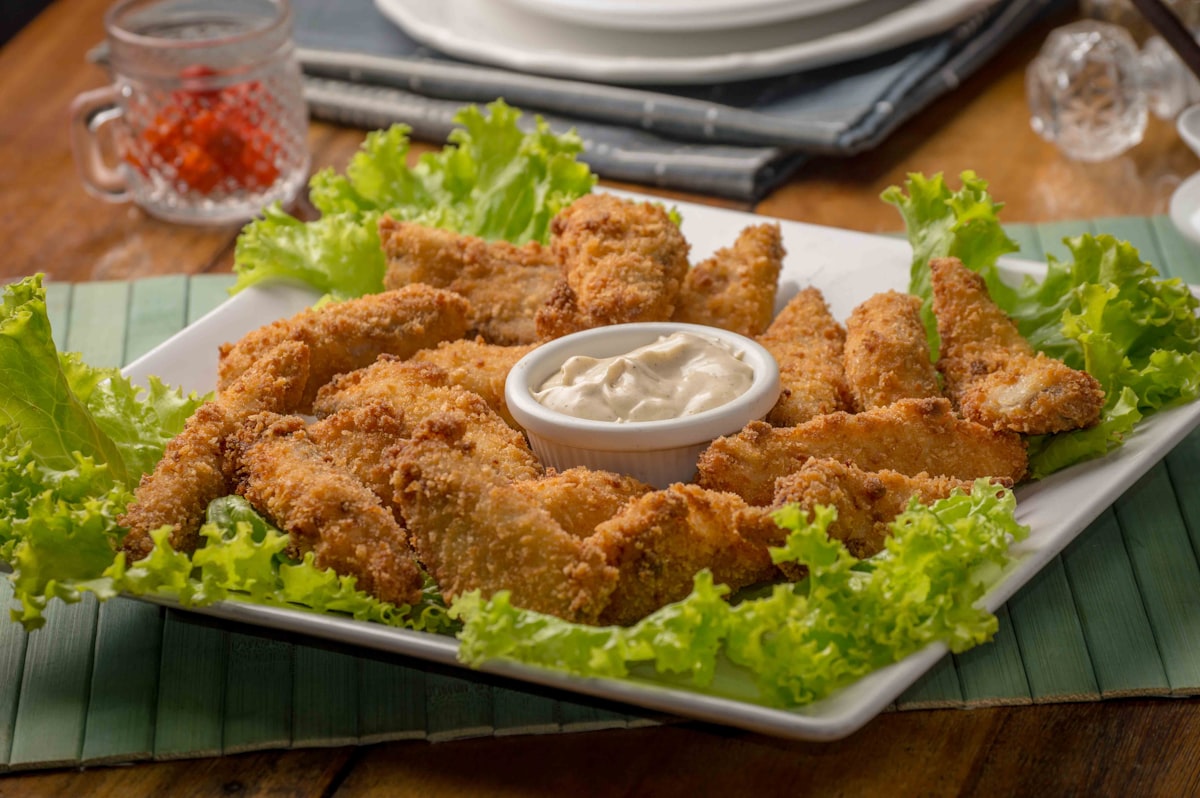
Crispy Homemade Fried Chicken: The Southern Recipe That Beats Every Fast Food Chain
If you have ever wondered how Southern fried chicken achieves that legendary shatteringly crisp coating while keeping the meat inside impossibly juicy, you are about to find out. This recipe is the culmination of classic Southern technique refined for the home kitchen. No shortcuts, no mystery ingredients — just a buttermilk brine, a seasoned flour dredge, and the right frying method to produce chicken so good it will ruin every fast food fried chicken experience for you forever.
The Science Behind Perfect Fried Chicken
The two biggest challenges in fried chicken are achieving a crispy exterior and keeping the meat juicy inside. These goals seem contradictory, but they are actually achievable simultaneously through two critical techniques: brining and temperature management.
Brining in buttermilk accomplishes several things at once. The lactic acid in buttermilk gently tenderizes the meat and allows the seasoning to penetrate deeply. The thick liquid also helps the flour coating adhere far better than a simple egg wash. Meanwhile, controlling your oil temperature — keeping it between 325°F and 350°F — ensures the chicken cooks through before the coating over-browns.
Ingredients
For the Buttermilk Brine
- 1 whole chicken (about 3.5 lbs), cut into 8 pieces, or 3 lbs bone-in, skin-on pieces
- 2 cups full-fat buttermilk
- 1 tablespoon kosher salt
- 1 teaspoon black pepper
- 1 teaspoon garlic powder
- 1 teaspoon onion powder
- 1 teaspoon hot sauce (Frank’s RedHot or Tabasco)
For the Seasoned Flour Dredge
- 2 cups all-purpose flour
- ¼ cup cornstarch (secret to extra crunch)
- 2 teaspoons kosher salt
- 2 teaspoons black pepper
- 2 teaspoons smoked paprika
- 1 teaspoon garlic powder
- 1 teaspoon onion powder
- 1 teaspoon dried thyme
- ½ teaspoon cayenne pepper
For Frying
- Enough vegetable shortening or peanut oil to fill your skillet 1.5 to 2 inches deep
Instructions
Day Before: Brine the Chicken
Combine the buttermilk with all the brine seasonings and hot sauce in a large bowl or zip-lock bag. Add the chicken pieces, ensuring each piece is fully submerged. Refrigerate for at least 4 hours and ideally overnight (up to 24 hours). The longer it brines, the more tender and flavorful the meat becomes.
Set Up Your Dredging Station
In a large shallow dish, whisk together all the seasoned flour ingredients. Remove the chicken from the brine, allowing excess to drip off but not shaking it dry — that clinging buttermilk is your adhesive. Press each piece firmly into the flour mixture, turning to coat all sides. For extra-thick coating, return the dredged piece briefly to the buttermilk and then back into the flour for a double coat.
Rest the Dredged Chicken
Place the dredged chicken pieces on a wire rack set over a baking sheet and let rest for 15 to 20 minutes. This rest period is crucial — it allows the coating to hydrate and adhere firmly, preventing it from sliding off during frying.
Fry to Perfection
Heat your oil in a large cast iron skillet or Dutch oven to 350°F. Use a thermometer — guessing oil temperature is the number one cause of failed fried chicken. Add chicken pieces skin-side down, being careful not to overcrowd (work in batches of 3 to 4 pieces). Maintain the oil between 325°F and 350°F throughout cooking. Fry thighs and drumsticks for 12 to 14 minutes per side; breasts for 10 to 12 minutes per side. The coating should be deep golden brown and the internal temperature should read 165°F.
Rest and Serve
Transfer finished pieces to a clean wire rack — never a paper towel, which traps steam and softens the coating. Let rest for at least 5 minutes before serving. This resting period allows juices to redistribute throughout the meat.
Side Dishes That Complete the Meal
- Classic coleslaw with apple cider vinegar dressing
- Buttermilk biscuits or cornbread
- Creamy mac and cheese
- Collard greens braised with ham hock
- Honey-glazed sweet potato wedges
Conclusion
Homemade Southern fried chicken is truly in a different category from fast food versions. The overnight buttermilk brine, the well-seasoned double-dredge, and careful temperature control produce chicken with a coating so crisp it crackles, and meat so juicy it practically drips. It takes a bit of planning, but the results are worth every minute. Make it once and your family will be requesting it every week.
Want more comfort food inspiration? Check out our recipe for the best homemade mac and cheese and our guide to making the perfect Southern cornbread from scratch.
Frequently Asked Questions
Can I bake this fried chicken instead of frying it?
You can achieve a reasonably crispy baked version by coating the dredged chicken in melted butter and baking at 425°F on a wire rack for 35 to 45 minutes. It is not identical to the fried version, but it is significantly healthier and still delicious.
What oil is best for frying chicken?
Peanut oil and vegetable shortening are the traditional Southern choices because of their high smoke points and neutral flavors. Canola oil also works well. Avoid olive oil, which has a lower smoke point and a stronger flavor.
Why does my fried chicken coating fall off?
Coating falls off for three main reasons: insufficient pressing during dredging, skipping the resting period after dredging, or adding chicken to oil that is not hot enough. All three are equally important.
How do I keep fried chicken crispy when serving a crowd?
Place cooked chicken on a wire rack in a 200°F oven. This keeps it warm and maintains crispiness for up to 30 minutes without any loss of texture.
About the Author