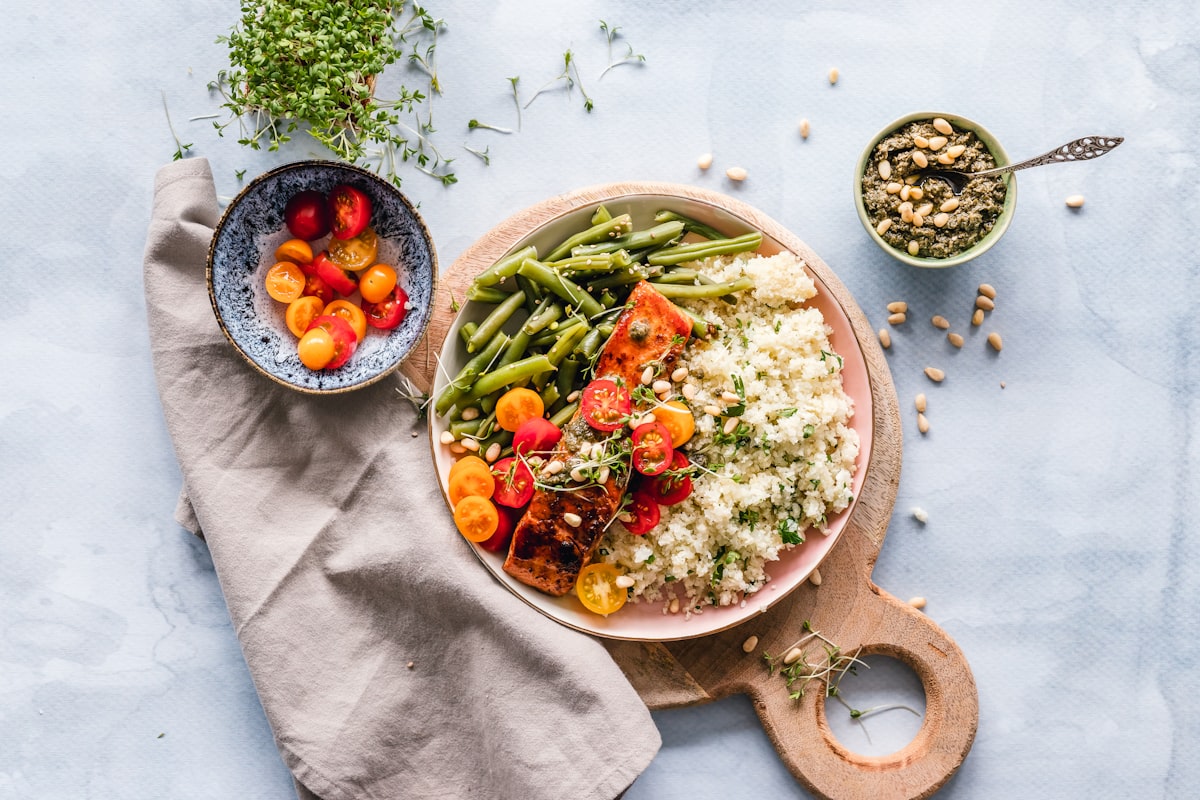
7-Day Healthy Meal Prep Guide: Save Time, Eat Better, and Feel Amazing
Meal prepping is one of the most effective habits you can adopt for improving your diet, managing your budget, and reclaiming precious time during the week. Whether you are juggling a demanding job, a busy family schedule, or simply trying to eat healthier, a solid meal prep system makes everything more manageable. This comprehensive 7-day healthy meal prep guide will walk you through exactly what to cook, how to store it, and how to build a sustainable weekly routine.
What Is Meal Prep and Why Does It Work?
Meal prep refers to the practice of planning and preparing some or all of your meals in advance, typically over the weekend. It is not about cooking every meal from scratch on Sunday — it is about doing the heavy lifting ahead of time so that weekday cooking becomes effortless. Studies consistently show that people who meal prep tend to consume fewer calories, make healthier food choices, and experience less mealtime stress.
What You Need to Get Started
Essential Meal Prep Tools
- High-quality glass meal prep containers (BPA-free)
- A sharp chef’s knife and cutting board
- Sheet pans for roasting large batches of vegetables
- A reliable food scale for portion control
- Reusable zip-lock bags for snacks and marinating proteins
Pantry Staples to Always Have on Hand
- Brown rice, quinoa, and rolled oats
- Canned chickpeas, black beans, and lentils
- Olive oil, apple cider vinegar, and low-sodium soy sauce
- Dried herbs: oregano, cumin, paprika, turmeric
- Nuts and seeds: almonds, chia seeds, sunflower seeds
The 7-Day Healthy Meal Prep Plan
Sunday: Prep Day (2–3 Hours)
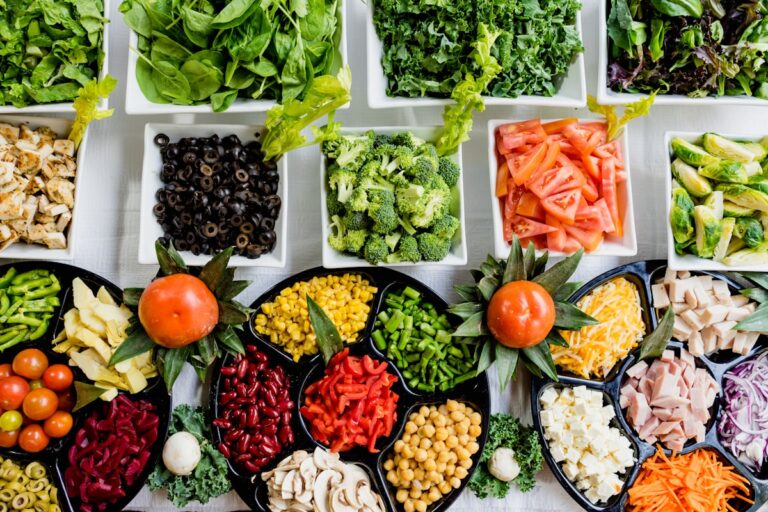
Dedicate Sunday to your major cooking session. Start by making a large batch of grains — cook 3 cups of brown rice and 2 cups of quinoa simultaneously. While those cook, roast two sheet pans of mixed vegetables (broccoli, bell peppers, zucchini, cherry tomatoes) at 400°F for 25 minutes. Season two pounds of chicken breasts with herbs and bake alongside the vegetables.
Day 1 (Monday): Grain Bowl Day
Breakfast: Overnight oats with chia seeds, almond milk, sliced banana, and a tablespoon of almond butter. Lunch: Brown rice bowl with roasted vegetables, grilled chicken, and a tahini dressing. Dinner: Quinoa-stuffed bell peppers with black beans, corn, and melted cheese.
Day 2 (Tuesday): Protein Focus
Breakfast: Greek yogurt parfait with granola and mixed berries. Lunch: Grilled chicken salad with avocado, cucumber, and lemon vinaigrette. Dinner: Lentil soup with crusty whole-grain bread.
Day 3 (Wednesday): Midweek Refresh
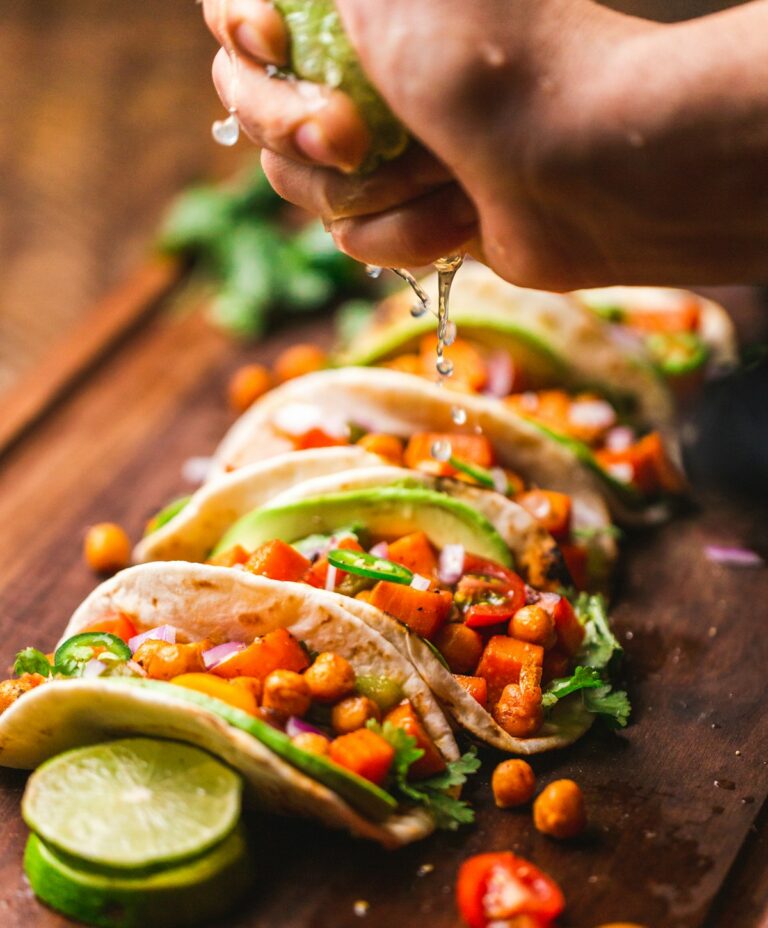
Midweek is a great time to do a mini prep session — boil eggs, wash fresh fruit, and prepare hummus for snacking. Lunch: Chickpea and roasted vegetable wrap with tzatziki. Dinner: Salmon fillet with steamed broccoli and quinoa.
Day 4 (Thursday): Plant-Based Power
Breakfast: Smoothie made with spinach, frozen mango, banana, and protein powder. Lunch: Black bean and sweet potato burrito bowl. Dinner: Stir-fried tofu with bok choy, snap peas, and brown rice.
Day 5 (Friday): Treat-Yourself Healthy
Friday is a great day to enjoy a slightly more indulgent but still nutritious meal. Breakfast: Whole-grain pancakes with fresh strawberries and a drizzle of pure maple syrup. Lunch: Turkey and avocado sandwich on sourdough bread. Dinner: Homemade turkey meatballs with zucchini noodles and marinara sauce.
Days 6–7 (Weekend): Flexible Eating
Use the weekend for creative meals with leftovers. Make a veggie frittata using any remaining roasted vegetables, or whip up a big batch of vegetable soup that you can freeze for the following week.
Meal Prep Nutrition Overview
| Day | Approx. Calories | Protein | Carbs | Fat |
|---|---|---|---|---|
| Monday | 1,850 | 105g | 220g | 55g |
| Tuesday | 1,780 | 120g | 185g | 52g |
| Wednesday | 1,900 | 115g | 210g | 58g |
| Thursday | 1,750 | 90g | 225g | 48g |
| Friday | 1,950 | 100g | 230g | 60g |
Food Storage Tips to Keep Meals Fresh All Week
- Store cooked grains in airtight containers for up to 5 days in the refrigerator
- Keep proteins and vegetables in separate containers to maintain optimal texture
- Dress salads only when ready to eat to prevent sogginess
- Label all containers with the date of preparation
- Freeze anything you will not eat within 3 days
Conclusion
A well-executed meal prep routine is a genuine game-changer for your health and lifestyle. By dedicating a few hours on Sunday, you eliminate the daily stress of deciding what to eat, reduce the temptation of unhealthy takeout, and ensure that every meal you eat is intentional and nourishing. Start simple, be consistent, and watch your eating habits transform week by week.
Looking for more inspiration? Explore our collection of healthy meal delivery service reviews and nutrition app recommendations to complement your meal prep journey.
Frequently Asked Questions
How many hours does weekly meal prep typically take?
Most people spend between 2 and 4 hours on their weekly meal prep session, depending on the complexity of their meal plan. With practice, this can be reduced to under 2 hours.
Is meal prep good for weight loss?
Yes. Meal prepping helps with portion control, reduces impulsive eating decisions, and makes it much easier to stick to a calorie target. It is one of the most recommended strategies by registered dietitians for sustainable weight loss.
Can I meal prep for a family?
Absolutely. Simply scale up quantities and keep individual preferences in mind. Preparing base ingredients separately and letting family members customize their bowls is a popular family-friendly approach.
What are the best containers for meal prep?
Glass containers with locking lids are ideal because they are microwave-safe, dishwasher-safe, and do not absorb odors. Brands like Pyrex, OXO, and Prep Naturals are highly rated among meal preppers.
About the Author