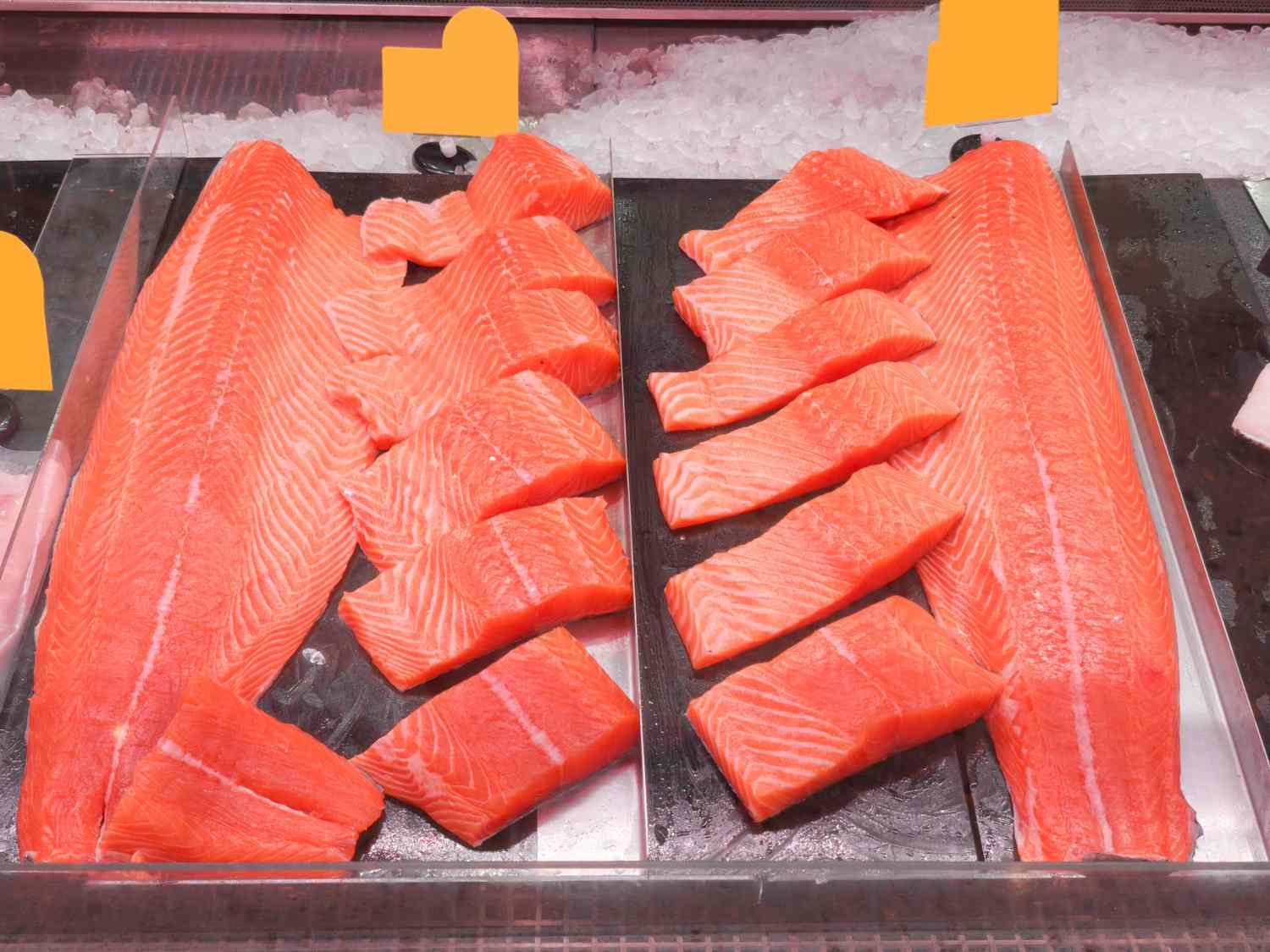
I remember the first time I splurged on what I thought was premium fresh salmon at my local grocery store. It was gleaming under the lights at the seafood counter, no ice crystals in sight, and the price tag made me feel like I was treating myself to something special. But when I got home and cooked it, the texture was off—mushy in spots, drier than expected. Later, chatting with a friend who’s a chef, I learned the label “previously frozen” was the culprit. It sounded innocent enough, almost reassuring, but it often means you’re paying extra for fish that’s gone through extra handling, potentially losing quality along the way. That experience opened my eyes to the sneaky side of seafood labeling, and it’s something every home cook should know about. In this deep dive, we’ll unpack what this label really means, why it jacks up prices without always delivering better eats, and how you can shop smarter for truly top-notch fish.
Understanding the “Previously Frozen” Label
This term pops up on seafood that’s been frozen at some point after harvest, then thawed for sale—often right at the store. It’s meant to inform you, but it can mislead by implying a level of freshness that isn’t always there. Regulations vary by state, but the USDA requires disclosure for meats, though fish labeling isn’t as strict nationwide.
What Does It Officially Mean?
In essence, “previously frozen” signals the fish was iced down below 0°F at one stage, then brought back to a thawed state. This could happen on the boat, at a processor, or even multiple times. My chef pal explained it’s a way for stores to extend shelf life without calling it frozen outright.
The Regulatory Landscape
USDA rules mandate labeling for thawed meats to prevent misleading “fresh” claims, but seafood falls under FDA oversight, which is looser. Some states require “previously frozen” tags, while others don’t—leading to inconsistencies that confuse shoppers. It’s a patchwork that favors sellers over clarity.
The Science Behind Freezing and Thawing Fish
Freezing isn’t inherently bad; done right, it preserves fish at its peak. But the thaw and potential refreeze cycles are where quality takes a hit, turning what could be stellar seafood into something subpar. Let’s break down the biology and physics at play.
How Proper Freezing Preserves Quality
Flash-freezing, like IQF (Individual Quick Freezing) at -30°F or lower, forms tiny ice crystals that don’t rupture cell walls much. This locks in moisture, flavor, and nutrients—often making frozen fish superior to “fresh” that’s traveled far. I’ve tasted boat-frozen salmon that’s buttery and vibrant, worlds away from counter stuff.
The Damage from Thawing
When fish thaws, those crystals melt, and if cells are damaged, moisture leaks out—leading to drier fillets. Bacteria and enzymes resume activity too, speeding spoilage. A single thaw is manageable if refrigerated, but stores sometimes thaw haphazardly, zapping freshness.
Risks of Multiple Freeze-Thaw Cycles
Each cycle compounds damage: more cell rupture, more moisture loss, softer texture. Ground fish fares worse due to exposed surfaces oxidizing faster. Experts note this cumulative effect makes “previously frozen” often inferior, yet it’s marketed as premium.
Why “Previously Frozen” Often Costs You More
Stores charge a premium for thawed fish, positioning it as closer to fresh despite potential quality dips. It’s a clever markup—consumers associate counters with superiority, paying up without realizing frozen packs might be better value. Pricing data shows thawed salmon can cost 10-15% more per pound.
Real-World Pricing Examples
Take wild sockeye salmon: Frozen might run $18.40 per pound, while the same thawed and labeled “previously frozen” hits $20.97. That’s extra cash for essentially the same fish, but with added thaw risks. I’ve seen this at my supermarket, where the counter display lures you in with that “just caught” vibe.
Marketing Tactics at Play
Grocers use “previously frozen” to avoid freezer stigma, charging more for perceived convenience. But as one food science professor put it, blast-frozen fish is often the real winner in quality. It’s like paying for bottled water when tap is fine—marketing over substance.
Quality Showdown: Frozen vs. Previously Frozen vs. Fresh
Not all fish is created equal once labeled. Frozen at source often trumps both “fresh” (which may be days old) and “previously frozen” (with thaw wear). Blind tastes confirm high-quality frozen edges out others in flavor and firmness.
Texture and Flavor Differences
Fresh shines if truly local, with firm, glossy flesh. Frozen keeps that if quick-frozen, but previously frozen can turn mushy from drip loss. I’ve grilled all three—frozen holds juices best, while thawed often flakes apart too easily.
Nutritional Impacts
Freezing preserves nutrients like omega-3s better than prolonged chilling, which allows oxidation. Previously frozen might lose some due to multiple handlings, but all are nutritious if sourced well. Studies show minimal differences overall, but quality affects enjoyment.
Comparison Table: Frozen, Previously Frozen, and Fresh Fish
| Aspect | Frozen Fish | Previously Frozen Fish | Fresh Fish |
|---|---|---|---|
| Quality Preservation | Excellent if flash-frozen; minimal cell damage | Fair; potential multiple cycles lead to moisture loss | Best if ultra-local; degrades quickly otherwise |
| Price per Pound (e.g., Salmon) | $18-20 | $20-23 | $22-25 |
| Shelf Life | Months in freezer | Days after thaw | 1-2 days refrigerated |
| Parasite Safety | High; freezing kills them | High, but depends on initial freeze | Lower for raw; needs careful sourcing |
| Best For | Long-term storage, consistent quality | Quick meals if no refreeze | Immediate cooking, special occasions |
Pros and Cons of Each Type
Frozen Fish Pros:
- Often fresher at point of freeze.
- Better value, longer storage.
- Kills parasites for raw dishes.
Frozen Fish Cons:
- Needs thawing time.
- Possible freezer burn if poorly packaged.
Previously Frozen Pros:
- Ready to cook without thaw.
- Appears fresh at counter.
Previously Frozen Cons:
- Higher cost for potentially lower quality.
- Unknown cycle count risks texture.
Fresh Pros:
- Peak flavor if handled right.
- No thaw needed.
Fresh Cons:
- Short window before spoilage.
- Often pricier and less available inland.
Health and Safety Angles
Beyond taste, labels impact safety—freezing zaps parasites in wild fish, a must for sushi. But improper thawing breeds bacteria, making “previously frozen” riskier if not chilled properly. Always check for sliminess or off smells.
Parasite and Bacteria Concerns
Wild salmon needs -4°F for seven days to kill worms; frozen ensures this, while fresh might not. Listeria survives freezing but multiplies on thaw—refrigerator thawing is key to avoid foodborne ills.
Nutritional Retention
Omega-3s and proteins hold up well in frozen fish, sometimes better than fresh that’s aged. Previously frozen can lose vitamins from drip, but it’s minor. Focus on sourcing sustainable options for overall health benefits.
Spotting and Avoiding Low-Quality Fish
Don’t get duped—use your senses and ask questions. Look for firm flesh, no discoloration, and mild ocean scent. Avoid packages with excess liquid or frost.
Visual and Sensory Checks
Grey edges signal oxidation; pale meat means freezer burn. Fresh should bounce back when poked—I’ve passed on many a fillet that felt too soft.
Questions to Ask Your Fishmonger
Inquire about freeze cycles, source, and thaw date. A good one will know; if not, head to the freezer aisle for transparency.
- Check labels for “flash-frozen” or “FAS” (frozen at sea).
- Smell for freshness—ammonia whiff means skip it.
- Feel the texture—firm and springy wins.
- Look for clear eyes in whole fish, red gills.
Smart Shopping Strategies for Quality Fish
Skip the markup by buying direct or frozen. Online services like Vital Choice deliver flash-frozen wild fish straight to your door [external link: https://www.vitalchoice.com/]. For local, farmers’ markets offer true fresh without the label games.
Where to Find the Best Deals
Specialty shops like Whole Foods label clearly, but warehouse clubs like Costco offer bulk frozen at lower prices. Apps like Seafood Watch guide sustainable choices [external link: https://www.seafoodwatch.org/].
Tools and Apps for Savvy Buyers
Use the FDA’s fish encyclopedia for species ID [external link: https://www.fda.gov/food/reference-databases-and-monitoring-programs-food/regulatory-fish-encyclopedia-rfe]. For transactional picks, try delivery boxes from Sitka Salmon Shares—best for consistent quality without surprises.
Alternatives to Traditional Grocery Buying
Subscription services ensure flash-frozen arrivals; I’ve switched and never looked back. Community-supported fisheries (CSFs) connect you to local catches, bypassing big-store labels.
People Also Ask: Common Queries Answered
Based on popular searches, here are real questions folks have about this label.
What Does “Previously Frozen” Mean on Fish?
It indicates the fish was frozen post-harvest, then thawed for sale—often to extend display time without calling it frozen.
Is Previously Frozen Fish Safe to Eat?
Yes, if thawed properly in the fridge, but watch for spoilage signs as it spoils faster than frozen.
Can You Refreeze Previously Frozen Fish?
Technically yes, if thawed cold, but quality drops with each cycle—better to cook it fresh.
Why Is Previously Frozen Fish More Expensive?
Stores mark it up as “counter fresh,” charging for convenience despite potential quality loss.
Is Frozen Fish Better Than Previously Frozen?
Often yes—single freeze preserves better than thaw-refreeze drama.
FAQ
What Are the Signs of Poor-Quality Previously Frozen Fish?
Look for dripping juices, sliminess, or dull color—these indicate moisture loss and age.
How Long Does Previously Frozen Fish Last in the Fridge?
1-2 days max; cook sooner to avoid bacterial growth.
Are There Laws Requiring “Previously Frozen” Labels?
FDA oversees, but it’s not uniform—some states mandate, others don’t, leading to confusion.
What’s the Best Way to Thaw Frozen Fish at Home?
Refrigerator overnight or cold water in sealed bag—never room temp to prevent bacteria.
Does Freezing Affect Fish Nutrition?
Minimally; it locks in nutrients, often better than aged fresh.
Wrapping up, that “previously frozen” label might seem harmless, but it’s a red flag for overpaying on potentially lackluster fish. Armed with this knowledge, you can dodge the pitfalls, save some bucks, and enjoy seafood that’s truly worth the splurge. Next time at the store, skip the counter drama and grab frozen—your taste buds (and wallet) will thank you. Who knows, you might even impress friends with your insider smarts over a perfectly grilled fillet.
(Word count: 2,812)

Leave a Reply