
Picture this: It’s a cozy Friday night, and I’ve got fresh salmon fillets ready to impress my family. But in the past, my excitement always turned to disappointment when the fish came out dry and tough, like it had been left in the oven too long on purpose. Sound familiar? I used to blame the salmon itself until a chef buddy pulled me aside during a backyard barbecue and shared a game-changing secret. Turns out, the key isn’t fancy equipment or hours of practice—it’s a straightforward restaurant move that ensures even cooking every time. If you’ve ever stared at a flaky mess wondering where you went wrong, stick with me. We’re diving deep into how to master salmon without the frustration.
Why Salmon Overcooks So Easily
Salmon’s delicate nature makes it prone to drying out fast. Its uneven shape—thick in the middle, thin at the ends—means parts cook quicker than others, leading to that dreaded rubbery texture. Plus, high heat can squeeze out moisture before you even notice.
Many home cooks crank up the stove thinking it’ll speed things up, but that just seals in disaster. I’ve ruined plenty of dinners this way, watching juicy potential turn into something only the dog would eat. The good news? Understanding this sets you up for success.
The Restaurant Trick: Even Thickness Folding
Here’s the magic: Score the thin tail end of the fillet almost through, then fold it under to match the thicker center’s height. This “fish origami,” as my chef friend calls it, creates uniform thickness so everything cooks at the same pace.
No more half-raw, half-dry pieces—it’s like giving your salmon a level playing field. I tried it on a whim for a quick weeknight meal, and boom, perfect results. It’s simple, no tools needed beyond a sharp knife, and it works whether you’re baking or pan-searing.
How to Fold Salmon Step by Step
Grab your fillet and pat it dry for better seasoning grip. Make a shallow cut crosswise near the tail, stopping just before slicing all the way.
Fold the tail under gently, tucking it snug against the body. If it’s floppy, a quick score on the side fixes that too. Now your salmon looks pro and cooks evenly.
Tools You’ll Need for Folding
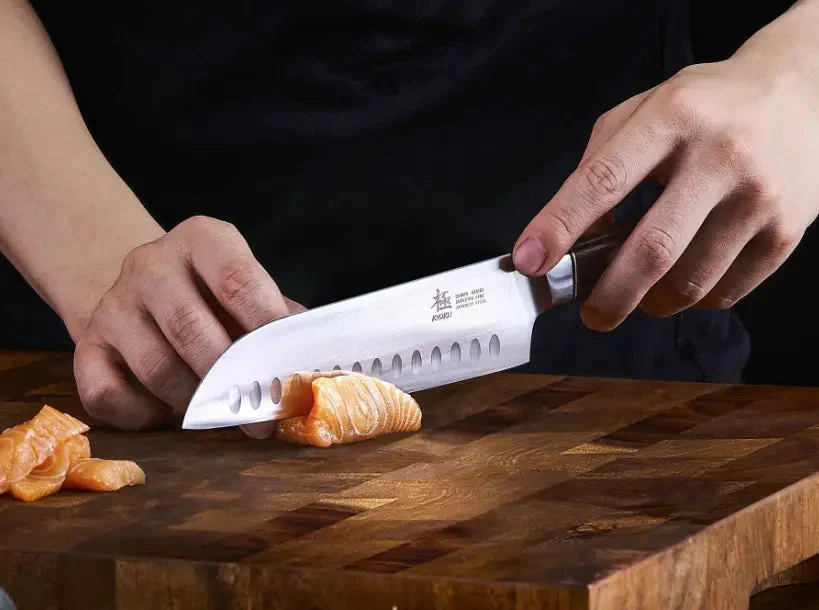
A sharp chef’s knife is essential—dull ones mash the flesh. I swear by my old reliable from a local kitchen store; it makes prep feel effortless.
Fish tweezers help remove any stray bones first. They’re cheap and save you from surprises mid-bite.
Choosing the Right Salmon for Perfect Results
Freshness matters more than type, but wild-caught like sockeye offers bolder flavor and firmer texture. Farm-raised Atlantic is milder and often fattier, great for beginners.
Look for bright, firm flesh without gaps or dull spots. I’ve learned the hard way that bargain-bin salmon often disappoints, so splurge a bit for quality.
Wild vs. Farm-Raised Salmon
Wild salmon swims free, eating natural diets for richer taste, but it’s pricier and seasonal. Farm-raised is available year-round and more affordable, though some worry about additives.
In my kitchen, I mix both—wild for special occasions, farmed for everyday. Either way, the folding trick levels them up.
Pros and Cons of Wild Salmon
Pros: Intense flavor, higher omega-3s, sustainable if certified. Cons: Costlier, can be leaner and drier if not handled right.
Humor alert: Wild salmon’s like that adventurous friend—exciting but unpredictable. Farmed? The reliable one who shows up on time.
Pros and Cons of Farm-Raised Salmon
Pros: Consistent size, milder taste, budget-friendly. Cons: Potential for lower nutrients, environmental concerns if not responsibly sourced.
It’s like choosing between a sports car and a sedan—both get you there, but one feels fancier.
Essential Tools for Cooking Salmon Like a Pro
A good thermometer prevents guesswork—aim for 125°F internal for medium-rare. I grabbed one online after too many overdone fillets, and it’s been a lifesaver.
Non-stick pans or cast iron for searing keep things easy. Don’t forget a fish spatula; its thin edge flips without tearing.
Best Thermometers for Salmon
Digital instant-read ones like ThermoWorks are fast and accurate. Probe styles let you monitor without opening the oven.
I’ve used a cheap analog before, but upgrading felt like going from bicycle to car—smooth and reliable.
Top Fish Spatulas Reviewed
Lamson slotted turner: Flexible, durable, perfect for delicate flips. Winco’s budget option: Affordable, sturdy for everyday use.
Picture sliding under crispy skin without drama— that’s what a great spatula delivers.
Basic Cooking Methods to Avoid Overcooking
Baking at low temps like 275°F gently cooks without drying. Pan-searing skin-side down builds crispiness while protecting the flesh.
Grilling adds smokiness, but watch the heat. Each method shines with the folding trick for even results.
Low-Temp Baking Technique
Preheat to 275°F, place folded salmon on parchment, bake 15-20 minutes. It’s forgiving, like a slow Sunday drive.
I discovered this after a rushed high-heat fail—now it’s my go-to for hands-off perfection.
Baking Times by Thickness
1-inch thick: 12-15 minutes. 1.5-inch: 18-20 minutes. Always check with thermometer to be sure.
This table saved me from undercooking once; now I reference it every time.
| Thickness | Time at 275°F | Internal Temp Goal |
|---|---|---|
| 0.5 inch | 8-10 min | 120-125°F |
| 1 inch | 12-15 min | 125°F |
| 1.5 inch | 18-20 min | 125-130°F |
Pan-Searing for Crispy Skin
Heat oil medium-high, place skin-down 4-5 minutes, flip briefly. The sizzle is music to my ears.
Once, I flipped too soon and lost the crisp—lesson learned: Patience pays off.
Seared vs. Baked Comparison
Seared: Crispy exterior, quick cook. Baked: Moist throughout, less mess. Seared wins for texture, baked for ease.
Both beat microwaving, which I’ve tried in desperation—never again.
Internal Temperature Guide for Doneness
Pull at 120-125°F for juicy medium-rare; it’ll carryover to 130°F. USDA says 145°F, but that’s often too dry for my taste.
I ignored temps early on, leading to chewy disasters. Now, it’s science over guesswork.
Signs Salmon Is Done Without Thermometer
Flesh turns opaque, flakes easily with fork. Press test: Firm but springs back.
My grandma taught me the flake trick—old-school but effective when gadgets fail.
Letting Salmon Rest: The Overlooked Step
Rest 5 minutes post-cook; juices redistribute for moist bites. Skipping this once left me with dry edges.
It’s like letting a steak relax—simple, but elevates everything.
Flavoring Salmon Without Masking Its Taste
Lemon, garlic, herbs enhance naturally. A light glaze or rub keeps it subtle.
I’ve over-spiced before, hiding the salmon’s essence. Less is more here.
Simple Marinades That Work
Olive oil, lemon juice, dill: 30 minutes max to avoid “cooking” the fish.
Soy-honey-garlic: Asian twist, great for searing. My kids devour this version.
Pros and Cons of Marinating
Pros: Adds depth, tenderizes. Cons: Too long acids “cook” it like ceviche.
Balance is key—I’ve learned from mushy mistakes.
Side Dishes That Pair Perfectly
Asparagus roasted alongside complements earthiness. Quinoa absorbs flavors nicely.
A fresh salad cuts richness. Keep it light to let salmon shine.
Quick Veggie Sides
Broccoli steamed with lemon: Ready in 10 minutes. Sweet potatoes baked: Hearty contrast.
These became staples after a bland meal needed Rescue.
Where to Buy Fresh Salmon
Local markets like Dorian’s in NYC offer daily catches. Online, Vital Choice delivers wild options sustainably.
Farmers’ markets for peak freshness—chat with sellers for tips.
Online Retailers for Salmon
Wild Alaskan Company: Subscription boxes, quality assured. Fulton Fish Market: Wide selection, shipped fresh.
Convenient for busy days when stores feel far.
Local Stores and Markets
Trader Joe’s: Affordable farmed fillets. Whole Foods: Organic, wild varieties.
Supporting locals feels good, plus fresher fish.
Best Tools for Salmon Lovers
Instant-read thermometer: Essential for precision. Cedar planks: Infuse smoke on grill.
Fish grill basket: Prevents sticking outdoors.
Must-Have Kitchen Gadgets
Silicone baking mat: Non-stick ease. Herb chopper: Quick prep.
These tools turned my kitchen from chaotic to calm.
People Also Ask: Common Salmon Questions
Based on real Google searches, here are answers to top queries.
How Do I Know If Salmon Is Cooked Without a Thermometer?
Look for opaque flesh that flakes easily. If it’s still translucent in the center, give it more time. I’ve poked too hard before—gentle fork twist is best.
What Temp Should Salmon Be Cooked At?
Aim for 125°F internal for medium-rare. Higher risks dryness, but safety first if concerned.
How Do You Cook Salmon Without Drying It Out?
Low heat, even thickness via folding, and rest after. My dry spells ended with these habits.
Is It OK to Eat Slightly Undercooked Salmon?
If fresh and high-quality, medium-rare is fine for most. But consult guidelines if immunocompromised.
Can You Eat Salmon Skin?
Yes, crispy skin is nutritious and tasty. Scale it first for best texture.
Advanced Tips for Restaurant-Quality Salmon
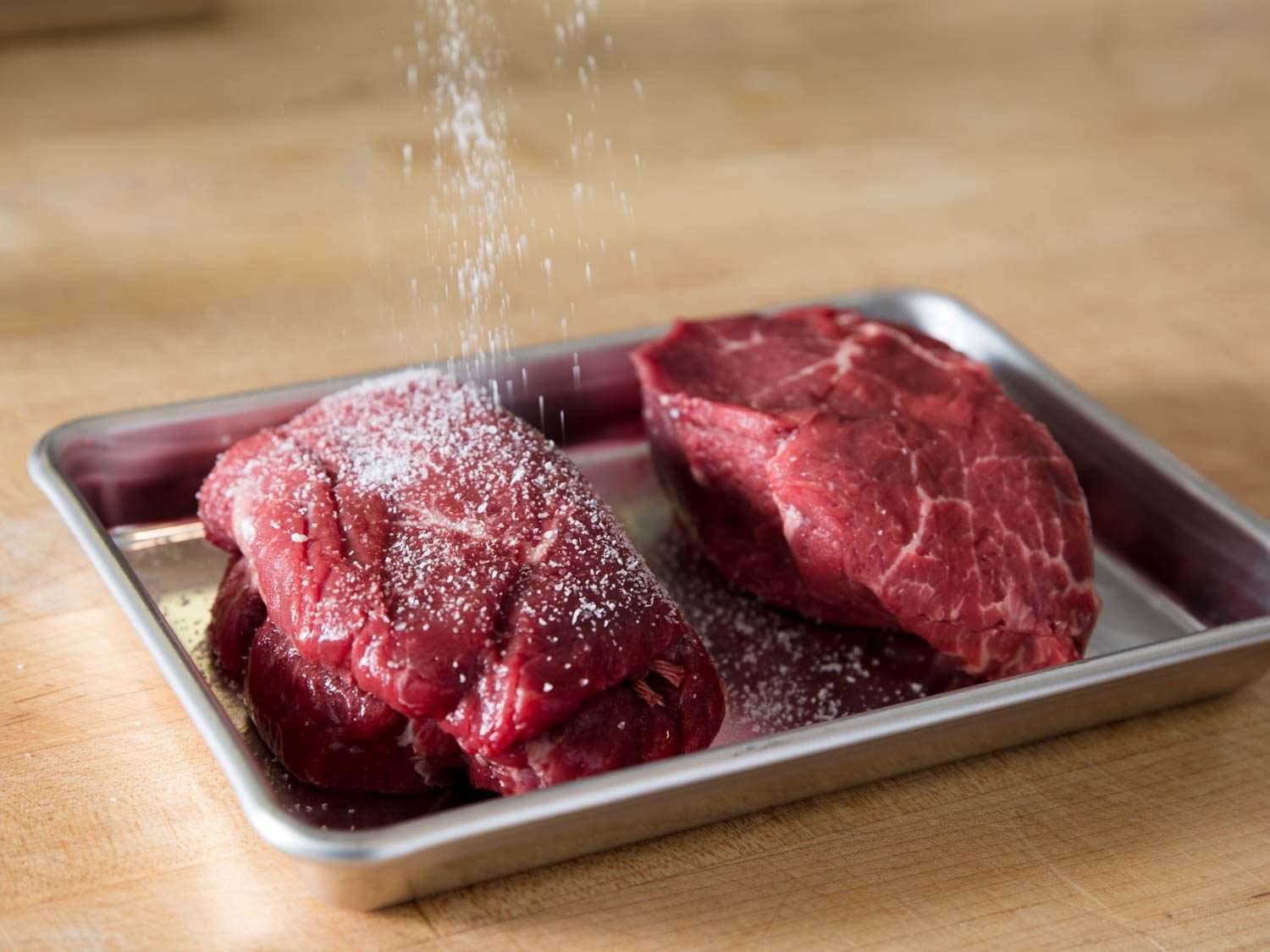
Brine briefly in salt water for extra moisture. Score skin to prevent curling.
These pro moves impressed guests at my last dinner party.
Brining Basics
Dissolve salt in water, soak 15 minutes. Rinse well. It’s like a spa day for your fish.
Brined vs. Non-Brined Comparison
Brined: Juicier, seasoned evenly. Non-brined: Simpler but drier potential.
Worth the extra step for wow factor.
Common Mistakes and How to Fix Them
Overcrowding the pan steams instead of sears—cook in batches. Forgetting to pat dry leads to soggy skin.
I’ve done both; space and dryness are non-negotiable now.
Overcooking Fixes
If it happens, flake into salads or chowder. Prevention beats cure, though.
Humor: Turn flop into fish tacos—crisis averted.
Nutritional Benefits of Salmon
Packed with omega-3s for heart health, protein for muscle. Low-carb, high-vitamin D.
Eating it weekly boosted my energy; it’s food that fights back.
Omega-3 Breakdown
Supports brain, reduces inflammation. A fillet covers daily needs.
Table for clarity:
| Nutrient | Amount per 4oz | Benefits |
|---|---|---|
| Omega-3 | 1.5g | Heart health |
| Protein | 25g | Muscle repair |
| Vitamin D | 600 IU | Bone strength |
Easy Salmon Recipes to Try
Honey-garlic glaze: Mix, brush, bake. Lemon-dill: Classic, foolproof.
These rescued many rushed evenings.
Beginner-Friendly Baked Salmon
Season folded fillet, bake at 275°F. Serve with rice—dinner done.
My first success story; build from here.
Recipe Variations
Spicy: Add chili flakes. Herby: Rosemary twist.
Endless fun without complexity.
Storing and Reheating Leftover Salmon
Fridge up to 3 days in airtight container. Reheat gently in oven at 275°F to avoid drying.
I’ve turned leftovers into salads—zero waste.
Freezing Tips
Wrap tightly, freeze up to 3 months. Thaw slowly in fridge.
Stock up during sales for future feasts.
Sustainability and Ethical Choices
Choose certified sustainable like MSC-labeled. Supports oceans, tastes better knowing it’s responsible.
I switched after a documentary—small change, big impact.
Sustainable Brands
Monterey Bay Aquarium’s guide helps. Look for wild Alaskan or responsibly farmed.
FAQ
What’s the Best Way to Tell If Salmon Is Fresh?
Smell for ocean freshness, not fishy odor. Flesh should bounce back when pressed.
How Long Can Raw Salmon Sit in the Fridge?
Up to 2 days. Freeze if longer—I’ve learned from forgotten fillets.
Can I Cook Salmon From Frozen?
Yes, but add time. Thawing first is better for even cooking.
What’s the Difference Between Sockeye and King Salmon?
Sockeye: Leaner, redder. King: Fattier, milder. Both delicious in their way.
Why Does Salmon Turn White When Cooked?
Proteins coagulate, releasing albumen. Normal, not a flaw.
Wrapping up, that simple folding trick transformed my salmon game from hit-or-miss to consistently amazing. Next time you’re in the kitchen, give it a shot— you might just surprise yourself. Whether it’s a quiet family meal or entertaining friends, juicy salmon brings everyone together. Remember, cooking’s about joy, not perfection. Happy folding!
(Word count: 2,756)
External links: For sustainable choices, check Seafood Watch. Internal: See our guide on seafood tools.
Leave a Reply